
Whoa! I remember the first time I tried to move an NFT on Solana — heart racing, palms sweaty. Seriously? It felt like learning a new phone all over again. My instinct said “back up that seed phrase,” but I still made a beginner mistake. Okay, so check this out—this piece walks through what the Phantom browser extension does well, what’s a little annoying, and how to get set up without frying your eggs (metaphorically speaking).
Phantom is the go-to Solana wallet extension for many people who collect NFTs or use Solana dApps. It’s fast, integrates cleanly with most marketplaces, and gives you a neat NFT gallery inside the extension. But like any tool, it’s not perfect. I’ll walk you through practical steps: install, secure, connect, send/receive, and troubleshoot. Along the way I’ll call out small annoyances and safety tips—because that part bugs me. I’m biased toward UX that just works, but I’ll be upfront about limitations.
Why use a browser extension wallet on Solana?
Short answer: convenience. Extensions let you connect to NFT marketplaces and games in one click. Medium answer: they keep keys locally, so you control your seed phrase. Longer answer: when designed well, an extension balances quick interaction with reasonable safety, though it’s not a hardware wallet and you should treat it like a car — great for errands, not a tank.
Phantom’s UI is clean. Buttons are obvious. Transactions show fees clearly (most of the time). On the downside, pop-ups can pile up during heavy network activity and sometimes approvals feel too granular, which is both good and annoying. Initially I thought “I want less friction,” but then realized every confirmation is a checkpoint against mistakes. Actually, wait—let me rephrase that: fewer clicks is nice, but fewer confirmations means more risk.
Installing Phantom safely
Get the extension from a reliable source. A convenient place to start is the official download page, which you can find here: phantom wallet download extension. Do not install random browser clones or copycats. Seriously—check the URL and the extension publisher before you click “Add to Chrome/Firefox.”
After installation you’ll be prompted to create a new wallet or import one. If you create a new wallet, write down the 12-word seed phrase on paper. Do not screenshot it, do not email it to yourself, and don’t store it where a cloud backup could be harvested. My instinct said to take a photo once and then delete it—don’t. Something felt off about that idea even then.
Set a strong local password for quick unlock. It’s not foolproof, but it prevents casual access if someone picks up your unlocked computer. If you have a Ledger, Phantom supports hardware integration — that’s the sweet spot for frequent traders who still want extra security.
Using Phantom with NFTs and dApps
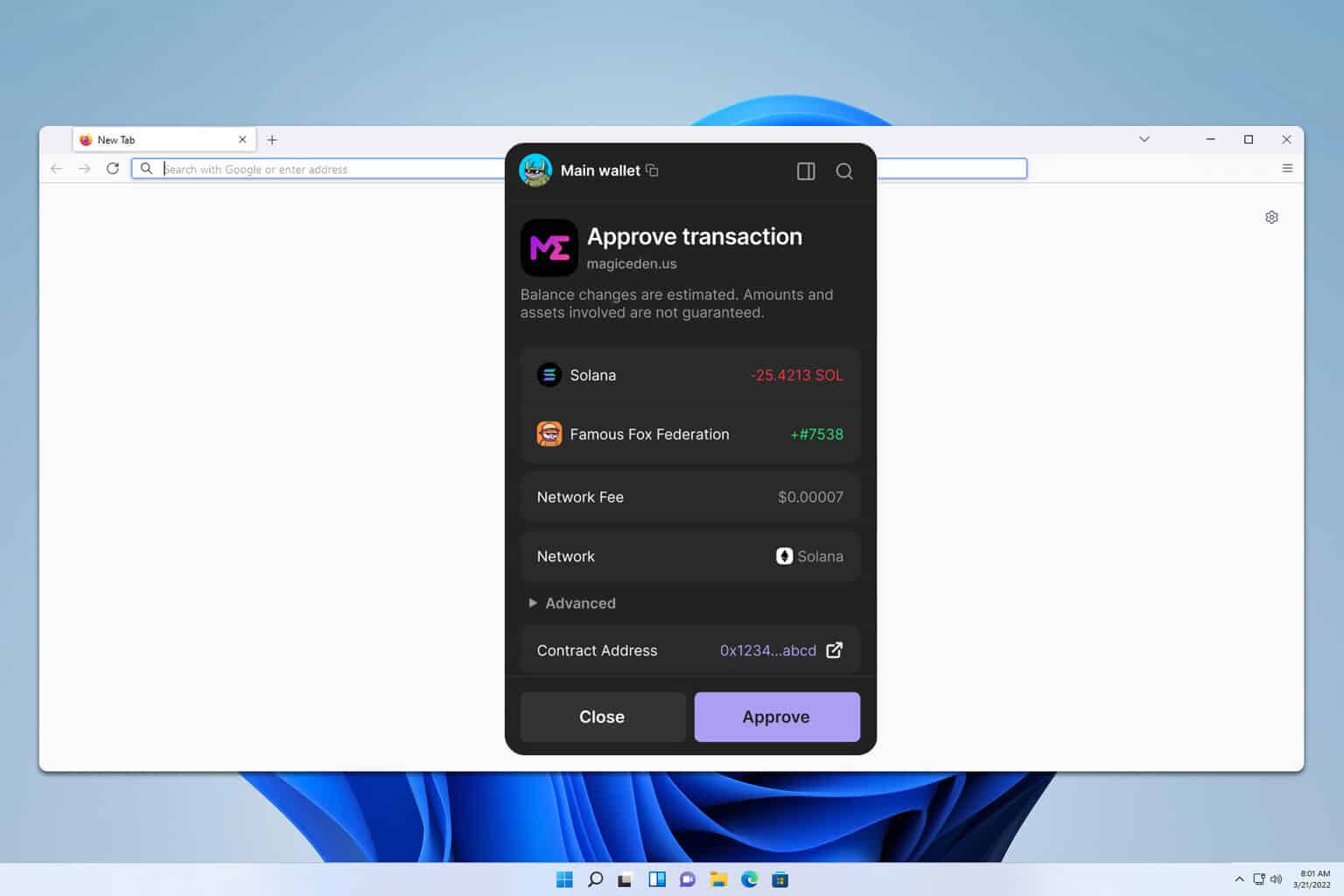
Phantom detects NFTs in-wallet automatically and shows them in a gallery. Click an NFT to see metadata, royalties, and token info. Want to list on a marketplace? Connect Phantom to the site and approve transactions when prompted. On one hand, this is smooth and feels modern. On the other hand, approvals can be confusing for new users: am I approving a sale, a transfer, or a permit to spend?
Here’s a practical checklist before you click “Approve” on anything:
- Check the exact action and the recipient address when shown.
- Confirm the network: Solana, not some testnet or fork.
- Review the total fees; Solana fees are typically low, but they add up fast during heavy use.
- Use a separate wallet for experiments. Keep your main collection in cold storage if you care about it.
When you connect to a new dApp, Phantom will usually show a connection popup. It’s tempting to approve everything so you can start playing or trading, but pause. I’ll admit I’ve rushed this and regretted it—fine lesson learned. On balance: stop, look, confirm.
Sending SOL and tokens
Sending funds is straightforward. Enter recipient address, set amount, and confirm. Phantom does a quick sanity check on addresses (it flags wrong-length strings), but it won’t catch a malicious address that looks valid. Typing addresses manually is risky. Copy-paste is better, but only from a trusted source.
Transactions on Solana are fast—usually seconds. That speed is a huge advantage for NFT drops and minting events, but it also means mistakes finalize quickly. Slow down during high-pressure moments.
Security tips I actually use
– Use a hardware wallet for high-value holdings. Plug it in when you need to sign big transactions.
– Use separate wallets for experimentation and serious holdings.
– Keep your seed phrase offline in at least two physical locations if you can. I stash one in a safe and give one to a trusted legal contact; do what fits your risk tolerance.
– Beware of phishing: fake sites, Twitter scam DMs, and look-alike domains. If a site asks for your seed phrase—run.
On rare occasions I’ve had to restore from seed. It’s a sober reminder that backups matter. Also, if you ever see unexpected pending approvals, close the dApp and revoke permissions where possible. Phantom has a permissions section in settings — check it periodically.
Troubleshooting common headaches
Transactions pending? Refresh the network or restart your browser. Sometimes switching RPC servers helps if the default is congested. Extension not showing NFTs? Toggle the network (mainnet/devnet) then switch back, or reindex by logging out and back in after ensuring you have the seed phrase backed up. If the extension crashes, start with clearing cache for the extension (not the seed phrase), and if all else fails, restore from your seed on a fresh install.
One thing that bugs me: rare UI glitches where metadata doesn’t load. The NFT is still on-chain, but previews can be missing. That’s usually an indexing issue on the marketplace or metadata host rather than the wallet itself.
FAQ
Is Phantom free to use?
Yes — installing and using Phantom is free. You’ll still pay network fees for transactions on Solana, but the extension itself doesn’t charge a usage fee.
Can Phantom connect to hardware wallets?
Yes. Phantom supports Ledger devices. Use a Ledger for larger balances or when you want an extra security layer during signing.
What happens if I lose my seed phrase?
If you lose the seed phrase you will likely lose access forever. There’s no central recovery. So, keep backups and think about redundancy—paper in multiple secure places beats a single digital file every time.
Alright, so here’s the takeaway: Phantom is a strong, user-friendly browser extension for Solana that fits most NFT collectors and DeFi users. It’s quick, integrates widely, and has sensible features like an NFT gallery and token management. Still, treat it like a bridge—not a vault. If you’re buying, trading, or minting seriously, add a hardware wallet into the mix. If you’re casual, set it up right once, back your seed phrase, and enjoy the fast Solana experience—just don’t get sloppy.
I’m not 100% sure about future UX tweaks, but I expect Phantom to keep iterating. For now, it’s the easiest entry point for most folks getting into Solana NFTs and dApps. Try it cautiously, learn the prompts, and keep your keys where you can sleep at night.